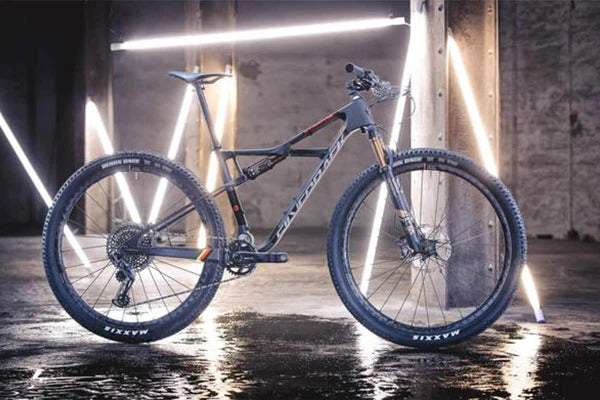
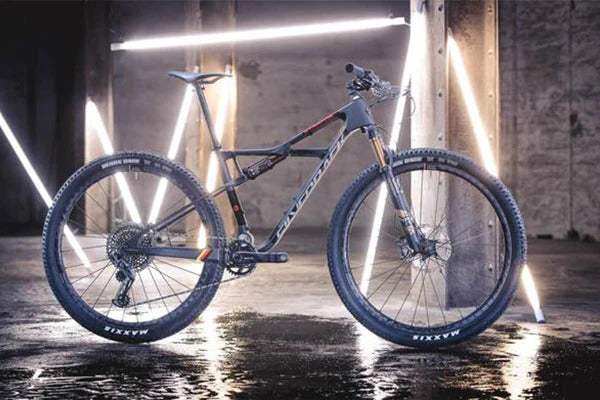
150/145mm Travel
 29" x 2.5" Wheels
 1x12 Speed SRAM AXS
 EP-801 Shimano Motor
 85Nm Torque
 720Wh Battery
 from 20.9kg
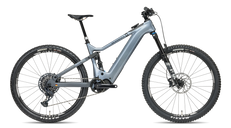
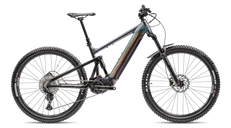
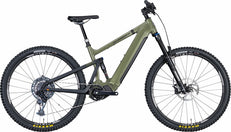
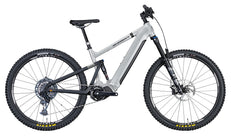
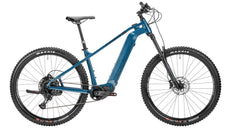
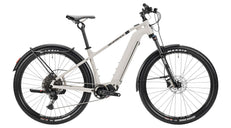
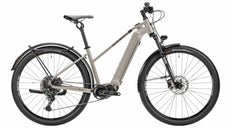
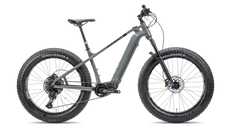
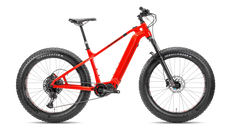

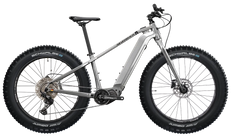

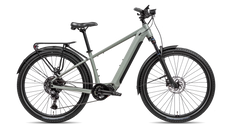
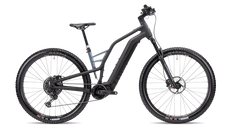
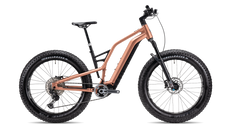
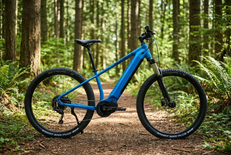
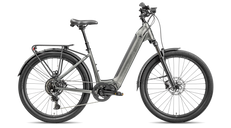
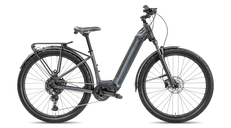
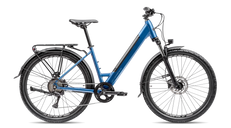
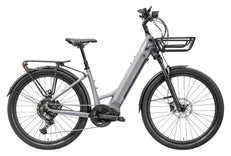
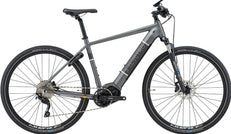
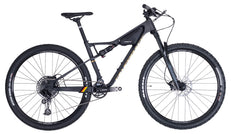
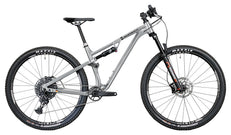
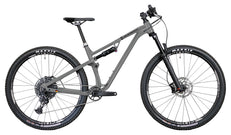
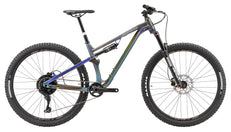
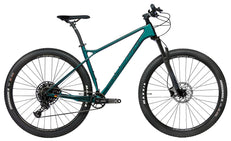
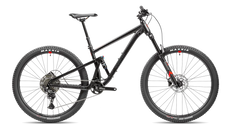
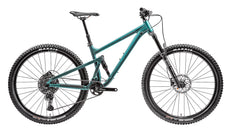
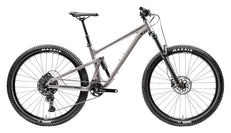
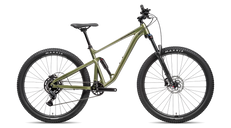
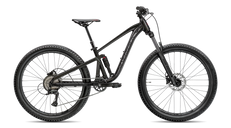
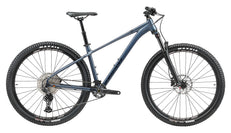
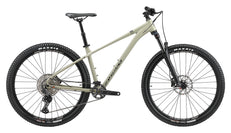
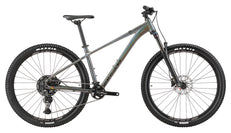
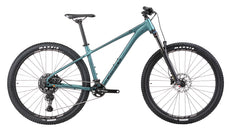
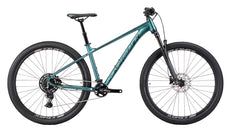
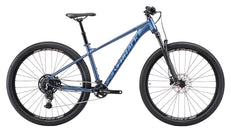
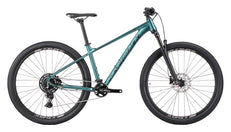
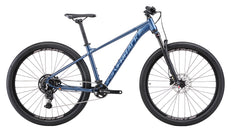
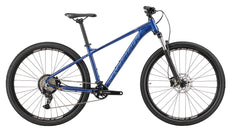
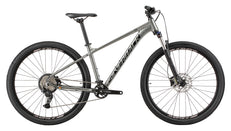
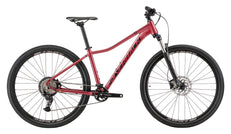
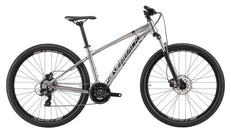
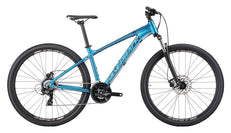
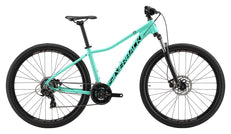
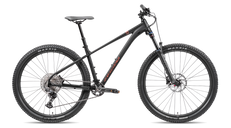
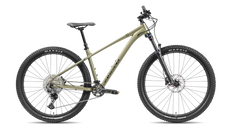
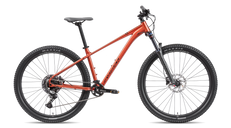
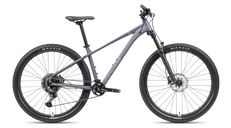
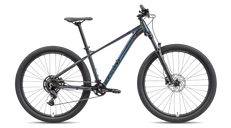
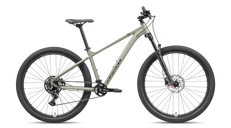
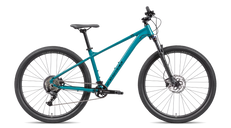
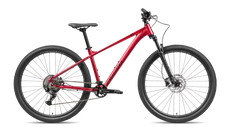
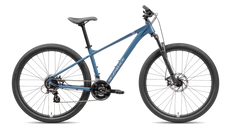
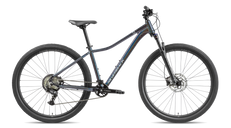
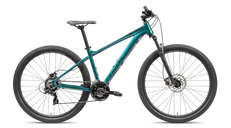
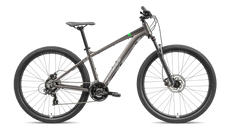
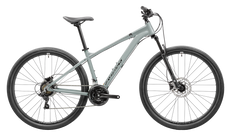
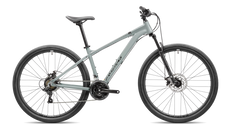
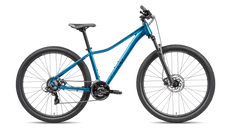
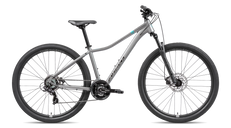
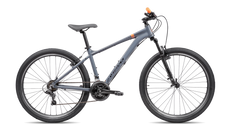
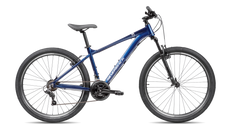
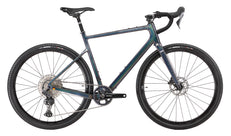
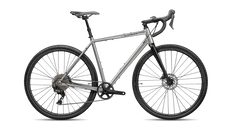
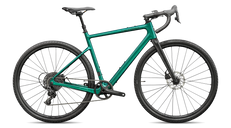
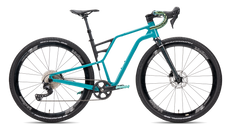
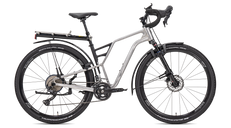
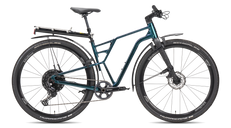
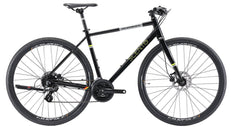
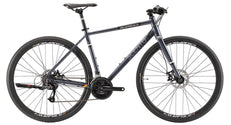
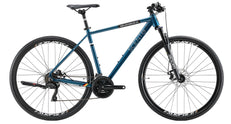
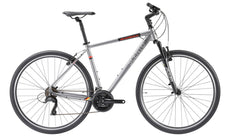
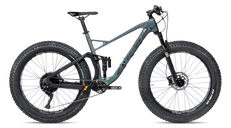
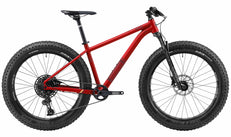
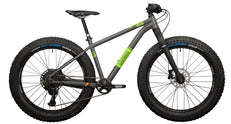
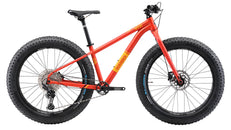
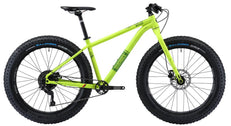
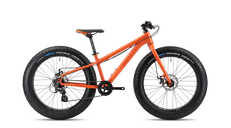
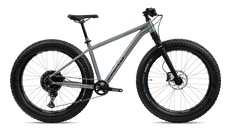
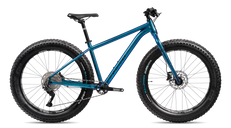
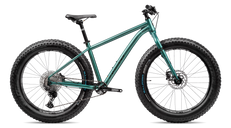
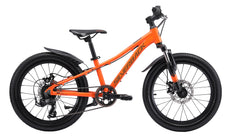
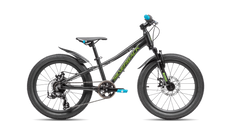
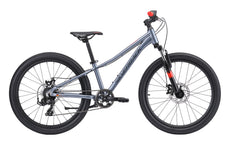
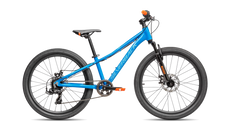
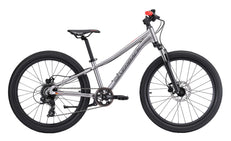
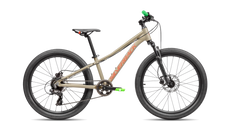
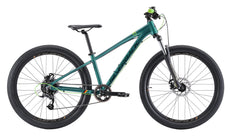
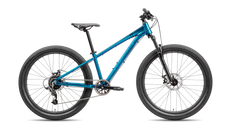
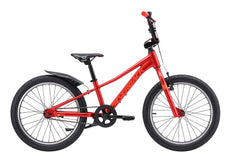
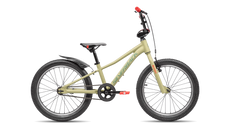
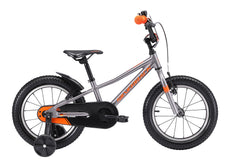
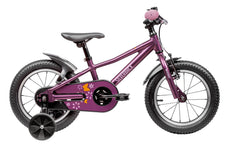
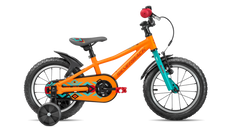
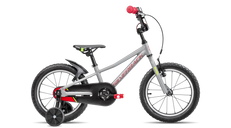




The best type of bike for your child is the one that fits and suits the routes they actually ride. A mountain bike may be appropriate for suitable off-road riding, while a city or everyday bicycle may make more sense for regular paved journeys and relaxed family outings. Category names overlap, so inspect the actual geometry, tyres, controls and equipment rather than buying from the label alone.
Start with ordinary rides, not the most adventurous outing you can imagine. A bicycle that works well for regular use is often more useful than extra features bought for a rarely visited route.
Begin with three questions about your routes
What surfaces do you ride most often?
Think about paved paths, smooth unpaved tracks, loose surfaces and genuinely rough terrain. These are not interchangeable. Match the bicycle to the manufacturer’s intended-use guidance, and choose routes appropriate to your child’s skills. A mountain-bike appearance is not permission to ride every trail.
How much climbing is involved?
Hills can make suitable gearing useful, but the number of gears alone does not explain whether the range or controls suit the child. Ask a retailer to explain the actual setup and let your child demonstrate the controls.
What does the daily routine involve?
Consider storage, carrying, weather, locks and any accessories needed for the planned use. A bike that is difficult to move through a doorway or manage at a stop can be frustrating even if its specification looks impressive.
Mountain, city and everyday bikes compared
| Type | Potentially relevant use | What to assess |
|---|---|---|
| Kids’ mountain bike | Off-road riding within the bike’s intended use | Fit, tyres, handling, gearing and whether suspension is useful |
| Kids’ city bike | Regular paved journeys and practical use | Comfortable control and equipment for the planned route |
| Everyday or mixed-use bike | Family outings and varied suitable paths | A manageable compromise rather than a promise to do everything |
These descriptions are broad buying categories, not fixed specifications. Two bicycles with similar names can have different equipment. Check the current model details before comparing.
When a kids’ mountain bike makes sense
Consider an off-road-oriented bicycle when your child regularly rides surfaces that justify its design and equipment. Suitable tyres, accessible braking and appropriate gearing can matter. Suspension should be evaluated for the rider and terrain rather than treated as a compulsory upgrade.
Extra components can add complexity and maintenance needs. A child mainly riding level paved paths may not gain enough benefit to justify them. Do not assume a more aggressive-looking bike is automatically more manageable or better value.
When a city or everyday bike may be more practical
For regular paved routes, focus on comfortable reach, predictable handling and equipment appropriate to the journey. Ask what is included and whether additional accessories are compatible. Do not assume that every city-labelled bicycle arrives fully equipped for every setting.
For mixed family riding, a straightforward design may be useful if it fits and suits the surfaces involved. Choose tyres and equipment with professional guidance where needed. No single everyday-bike label guarantees suitability for both demanding trails and every practical journey.
Fit matters more than choosing the right label
Measure height and inseam using our child inseam guide, then check the exact model’s sizing information. Assess mounting, reach and controls on the actual bicycle.
Do not choose a larger frame simply because a particular category or specification looks attractive. Our guide to growing room explains why fit today matters.
Brake usability also remains important across categories. Our brake comparison guide helps you evaluate the controls your child will actually use.
Weight and budget need context
Compare similar sizes and equipment in ready-to-ride form. A small rigid learner bicycle and a larger suspension-equipped model serve different purposes. Our lightweight kids’ bike value guide explains when lower weight may justify extra cost.
Likewise, choose useful features rather than spending to reach a particular category. Our kids’ bike budget guide helps account for setup, equipment and ongoing care.
Use Silverback models as fit-based comparison points
For smaller riders, investigate the Skid 14 (New Gen) and Skid 16 (New Gen). For a larger shortlist, compare the Skid 20 (New Gen) and Spyke 20 (New Gen). Check current sizing, intended use and equipment rather than assuming every model or generation shares the same specification.
Compare a relevant bicycle: open the product pages that match your child’s measurements and list which features help on your usual routes. Leave out options that do not fit.
Bring the route into the conversation: tell a qualified retailer about your normal surfaces, hills and storage arrangements, then arrange a supervised fit and handling check.
Frequently asked questions
Does every child need a mountain bike?
No. Choose for the planned riding, not the appearance. A simpler suitable bicycle may be a practical choice for everyday use.
Is suspension necessary for family rides?
Not automatically. Assess terrain, rider size and the specific equipment. More components do not guarantee a better experience.
Can one bike cover different kinds of riding?
Potentially, within its intended use and with appropriate equipment. Recognise the compromise and do not treat mixed-use as unlimited capability.
Can I add practical accessories later?
Possibly, but confirm compatibility and secure installation with the manufacturer or a qualified retailer. Do not assume every frame accepts the same accessories.
What should decide between two suitable bikes?
Compare real handling, useful equipment, maintenance needs and complete cost. A supervised trial can reveal more than a category name.
Choose for the rides you actually do: explore the Silverback kids’ bike collection, build a fit-based shortlist and match the equipment to your family’s routes.